Fast, Reliable Attic Insulation Across Hacienda Heights
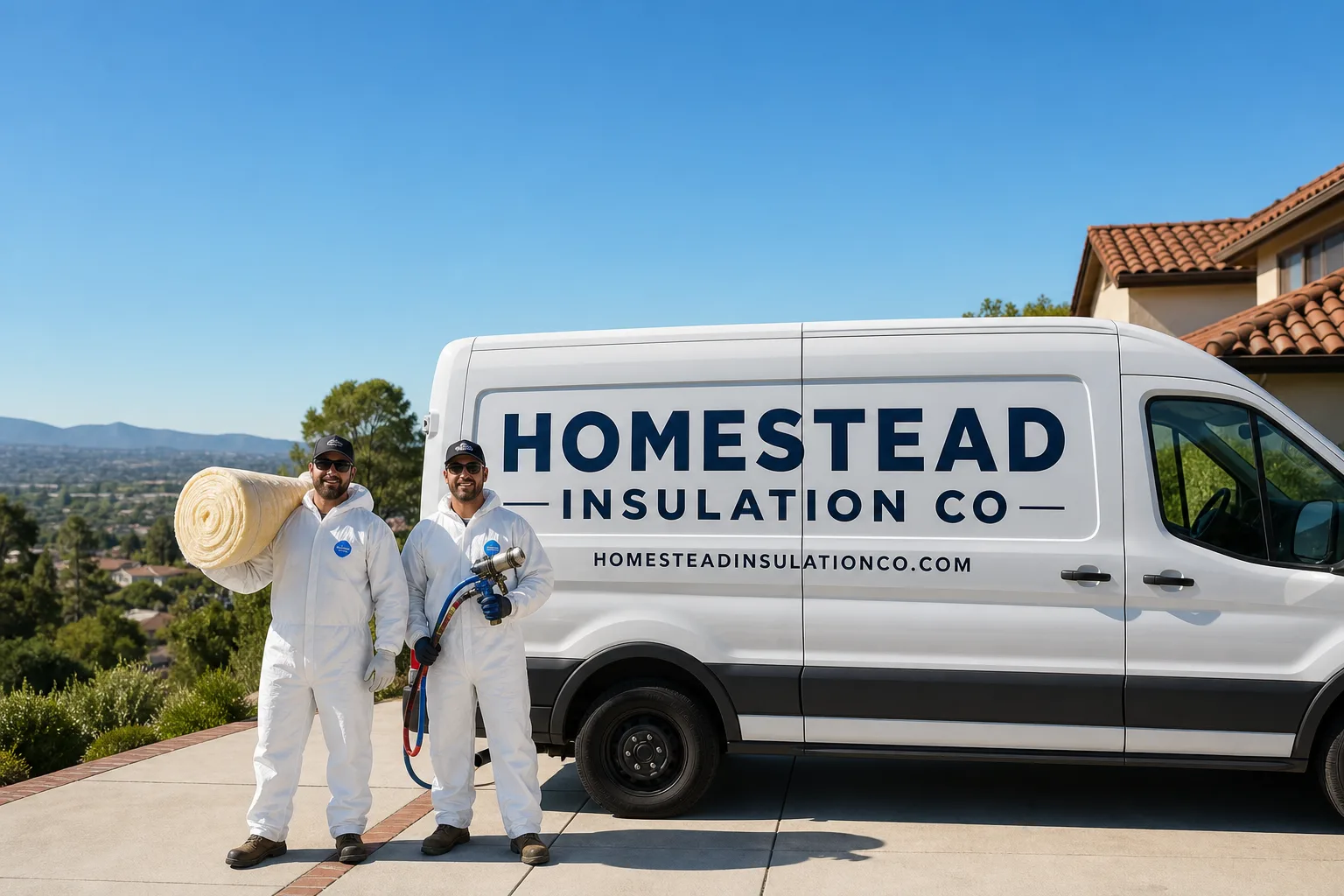
Attic insulation in Hacienda Heights is a different animal than it is down in the flatlands. Our crews work the hillside ranches and split-levels off Hacienda Boulevard, Colima Road, and Turnbull Canyon every week, and we know what those attics actually look like inside: original 1960s batts compressed to nothing, slope-facing soffit vents packed with Puente Hills dust, and top plates leaking conditioned air straight out of the house. We measure every attic before we quote, and we bring the right amount of material the first time. If you’re tired of baking upstairs rooms and an attic that hits 140°F in summer, call us at (844) 820-1136 for a free estimate.
Key Takeaways:
- Hacienda Heights attics need a measure-first approach, not a driveway bid. Split-levels, hillside grades, and decades of DIY work mean no two attics here are the same.
- Original batts in 1950s – 70s ranch homes are almost always settled, shoved aside, or chewed through. Insulation over a broken vent system doesn’t solve the problem.
- We install across eight manufacturers: fiberglass, mineral wool, spray foam, and cellulose. The right material depends on how your specific attic breathes (or doesn’t).
- Same-day and next-day response to Hacienda Heights is standard for us, and we finish most jobs in one trip.
Why Homestead Insulation Co Is Hacienda Heights’s Preferred Attic Insulation Company
We’re an insulation-only contractor, which means we don’t split our days between roofing calls, HVAC swaps, or window installs. Every truck, every crew member, and every process we run is built around thermal and air-sealing work. That focus matters in Hacienda Heights, where homes on graded slopes and canyon-facing ridges punish a half-hearted insulation job within a single summer. Homeowners here tend to be research-first people. They ask what R-value their roof needs, why radiant barrier matters in the San Gabriel Valley, and whether they should pull old batts or blow new material over them. We answer those questions with measurements and photos, not sales scripts.
Alan Brecker leads our crew, and he sets the standard for the whole team: quote from the attic, not the driveway. That single rule explains most of why our jobs in Hacienda Heights come in clean. When a contractor bids from the street, they miss the converted attic, the collapsed eave-line batt, or the ridge vent that never got cut. We don’t. We put eyes on every truss bay and every soffit before a number leaves our hands.
We also know the local fabric of this community. We know the 91745 ZIP, the neighborhoods behind Glen A. Wilson High School, the tracts climbing along the hillsides above Stimson Avenue, and the flat pockets down near the 60 Freeway. We know that homes closer to the Puente Hills get more dust, more rodents, and more heat radiating back off the hillside after sundown than homes in La Puente or Valinda ever will. That’s not marketing copy. That’s what our crews see every week. And it changes how we spec a job in Hacienda Heights.
Attic Cleaning Services in Hacienda Heights
Attic Cleaning Services in Hacienda Heights usually means one of two things: a pre-insulation cleanup before new material goes in, or a post-problem cleanup after rodents, dust storms, or a moisture event. In most hillside homes here, the job starts with clearing the soffit vents. The downhill-side vents off Hacienda Boulevard and the roads climbing toward the Puente Hills pull air, dust, and debris into the attic constantly. Over 30 or 40 years, that dust packs in and chokes the venting. You can’t air-seal or insulate correctly until those paths breathe.
A straightforward attic cleaning in Hacienda Heights, done right, includes removing old debris, cleaning vent channels, and laying down a stable surface so the insulation technician can work safely. Rates for cleaning alone typically run $400 – $900 depending on attic size and how much debris has to come out. When cleaning is paired with new insulation, the per-job economics improve because we’re already set up in the attic and already hauling material. We’ll give you an exact line-item quote after we measure.
Clearing Decades of Puente Hills Dust
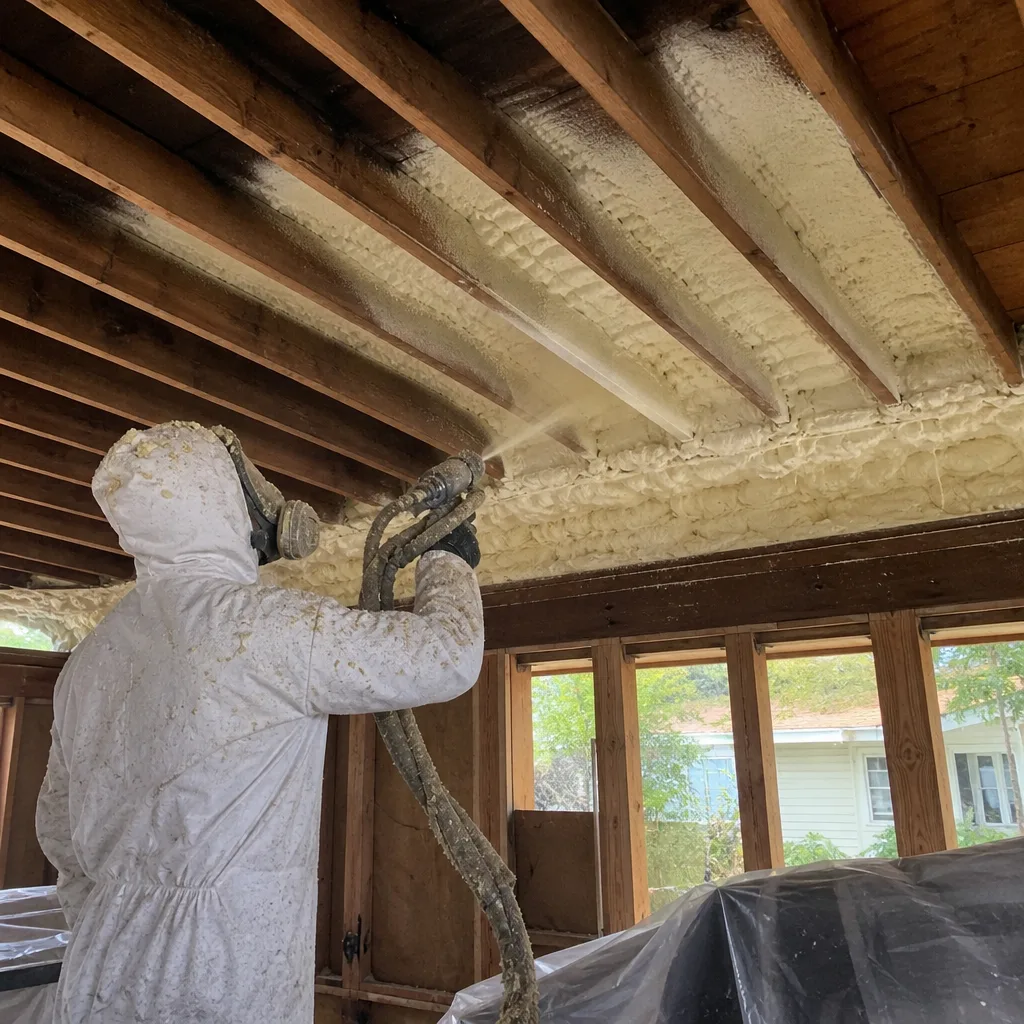
The dust here isn’t cosmetic. It’s a fine, talc-like silt that gets pulled through screen vents and settles into the insulation itself. Once it mixes with fiberglass batts, it smothers the air pockets that make insulation work. In slope-facing eaves, we routinely find the top two inches of batt matted into a crust. That’s clean-out territory, not top-up territory.
Pre-Rodent and Post-Rodent Cleanup
Rodents tunnel through batts, leaving compressed channels and nesting material behind. That’s both a thermal problem and a hygiene problem. We remove the affected material, sanitize the decking, and prep the space before any new insulation goes down. If we’re doing a full replacement, we include this work as part of the scope rather than treating it as a surprise line item later.
What happens when you call
- 1
A real person answersNo phone trees — you reach a local pro.
- 2
You get an upfront price rangeHonest numbers before anyone is dispatched.
- 3
A background-checked tech heads outLicensed & insured, dispatched right away.
- 4
You approve before work beginsNothing starts until you say go.
Attic Mold Removal in Hacienda Heights
Attic Mold Removal in Hacienda Heights comes up more often than homeowners expect, and it’s rarely about roof leaks. The bigger driver here is trapped warm air meeting cool, shaded roof decking on the canyon side of the house. When soffit vents clog and ridge venting is undersized, moist air condenses on the underside of the sheathing. Mold follows. In unincorporated hillside tracts where homes weren’t built under one unified inspection regime, we see this pattern again and again: a south-facing roof that bakes all day, a north-facing deck that sweats all night, and mold spotting the plywood right along the truss lines.
Our mold removal work focuses on mitigating the surface growth, cutting out affected batts, and then fixing the air-sealing and venting that caused the problem in the first place. You can scrub sheathing all day, but if the attic isn’t venting and the top plates are leaking, the mold returns. We treat the cause, not just the symptom. Surface mold remediation in a typical Hacienda Heights ranch attic runs $500 – $1,300 depending on square footage and severity. If the mold has penetrated deep into the decking, we’ll recommend a licensed mold specialist and coordinate with them before we touch the insulation.
What Breeds Mold Up Here
The interaction of hillside shade, canyon air, and poorly vented ranch attics is the repeat offender in Hacienda Heights. A home on the flat side of Colima Road won’t have the same issue as one tucked into a downhill-facing lot behind the Puente Hills. We document the conditions before we quote, and we photograph everything. That documentation matters when you’re deciding whether to repair or replace.
Removal Before Insulation
You can’t blow insulation over moldy batts and call it fixed. The new material sits on top and locks the moisture problem in. We remove the bad material first, address the air and venting issues, then install the right insulation for the roof type. If we’re quoting an insulation job and we find visible mold, we stop and tell you. We don’t bury it under new fiberglass.
Trusted Brands We Service in Hacienda Heights
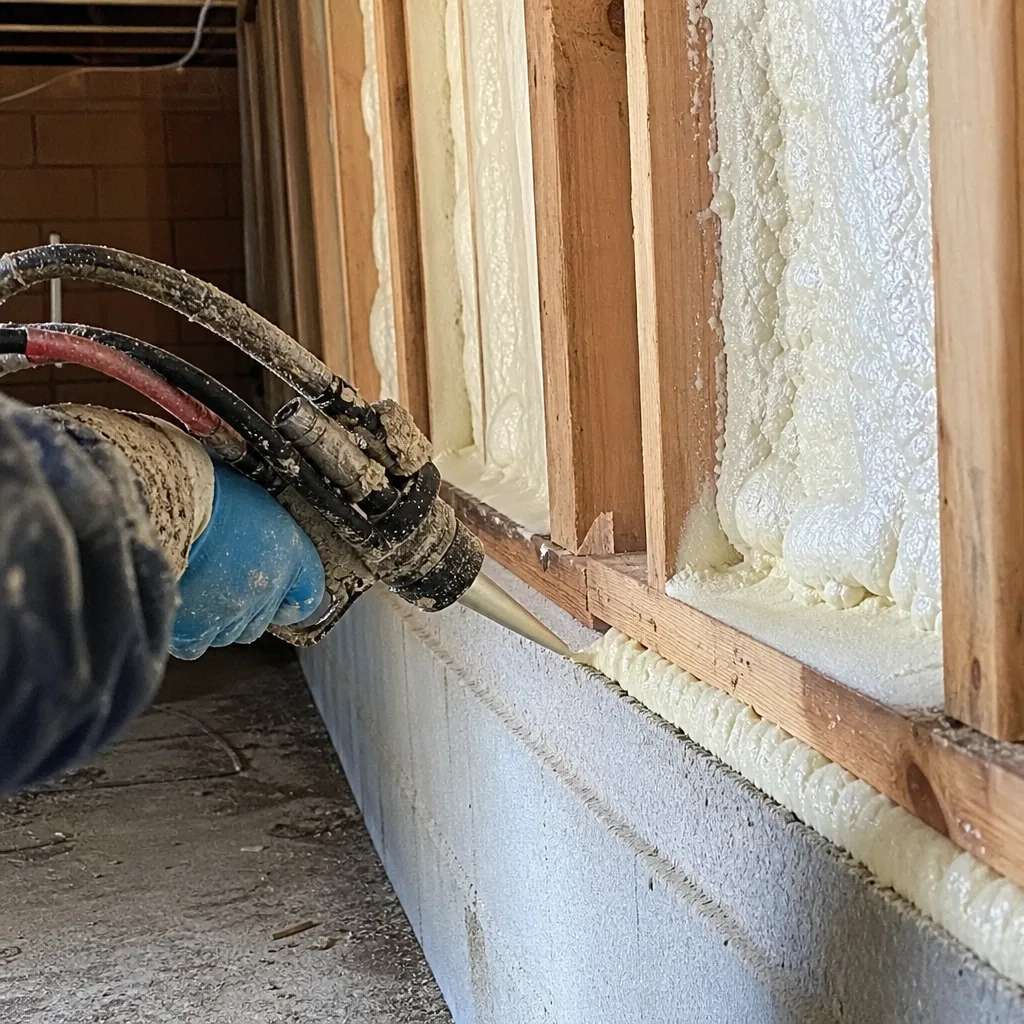
Homestead Insulation Co is authorized to install products from Owens Corning, Johns Manville, Knauf, and Rockwool, among others. That matters to Hacienda Heights homeowners because different hillside attics call for different materials. A slope-facing attic with serious heat gain might warrant Rockwool’s fire-resistant mineral wool or a radiant barrier along the roofline. A standard ranch attic with stable venting might be best served by Owens Corning fiberglass batts or Johns Manville blown-in. We stock parts and materials locally for Hacienda Heights jobs, which is part of why our turnaround on this side of the valley stays fast. You don’t wait two weeks for material shipped from a warehouse outside the area.
Common Attic Insulation Problems We See in Hacienda Heights Homes
- Settled original batts from the 1950s – 70s. These were installed when energy costs didn’t matter and building codes were looser. Decades of heat cycling, rodents, and homeowner DIY work have compressed them to a fraction of their original thickness.
- Clogged slope-facing soffit vents. On downhill lots off Hacienda Boulevard and Turnbull Canyon, the lower vents pull in dust from the Puente Hills and whatever else blows down the slope. When they clog, the attic stops venting and starts cooking.
- Under-insulated split-level conversions. Many split-levels in this area were built with attic conversions or added rooms that never made it into building records. The original insulation plan didn’t account for the extra conditioned space, so the upstairs bakes.
- Bare eave strips on the slope side. When batts get shoved toward the center of the attic during DIY projects, the outer edges along the eaves end up with nothing. Those strips of bare drywall are where the house leaks heat and gains heat first.
Pricing for Attic Insulation in Hacienda Heights, CA
Here’s what we tell Hacienda Heights homeowners before we measure a single rafter bay. A standard attic insulation top-up on a 1,200 – 1,800 square foot ranch runs $1,400 – $2,800 in this area. A full replacement with air sealing and baffle work typically lands between $3,000 and $5,800 depending on attic size, roof pitch, and how much old material has to come out first. Blown-in cellulose over existing batts is usually the most economical option, running $1,100 – $2,600 for a typical hillside ranch. The variables are real: split-level layouts cost more because access is tougher, and slope-facing attics often need extra baffle and vent work before new material goes in. Call (844) 820-1136 and we’ll measure, photograph, and give you a line-item quote. Estimates are free, and there’s no pressure to decide on the spot.
We Also Serve Cities Near Hacienda Heights
Our crews run the full stretch of the eastern San Gabriel Valley. We’re in La Puente, Valinda, Avocado Heights, and West Puente Valley regularly, so if your job is on the edge of 91745 or just over the line, we’ve already got eyes on the area. The same crew that handles Attic Insulation in Hacienda Heights serves these neighboring communities with the same measure-first process. If you’re in one of those areas, you’ll get the same one-trip discipline and the same material choice. If you want to understand the full scope of our Attic Insulation services, we walk every homeowner through the three installation methods before we ever cut a batt.
Serving Hacienda Heights, CA — Our Local Coverage Area
We’re based in the Hacienda Heights area and know this community well. Use the map below to see our service coverage — if you’re nearby, we can almost certainly help.
FAQs About Attic Insulation in Hacienda Heights
Because insulation alone can’t stop radiant heat when the attic isn’t venting. Homes on graded slopes and canyon-facing lots catch the San Gabriel Valley sun on their south-facing roofs all day, and if the soffit vents are clogged or the ridge vent is undersized, that heat has nowhere to go. The attic becomes an oven, and whatever insulation is up there just absorbs the heat and radiates it back down into the house. We see this constantly in hillside tracts off Hacienda Boulevard. The fix is usually a combination of clearing the vents, adding baffles, air-sealing the top plates, and then upgrading the insulation material. Call (844) 820-1136 and we’ll explain what’s actually happening in your attic after we measure it.
We measure before we quote. Always. We don’t bid from the driveway because we’d be guessing: guessing at the existing R-value, guessing at the venting, guessing at whether the split level or converted room changed the thermal envelope. Alan Brecker’s rule is that no quote leaves Homestead until someone has been in the attic with a tape measure, a camera, and a moisture meter. That’s how we avoid the classic hillside failure mode where a contractor under-orders material and has to come back for a second trip.
Most Hacienda Heights jobs finish in one trip. That’s the point of the measure-first discipline. We know the attic size, the material quantities, the vent work needed, and the access path before the crew arrives. Split-levels and converted attics sometimes complicate the schedule, but we account for that in the quote rather than discovering it mid-job. If a job does require a second visit, we tell you that before we start, not after.
The mold risk is real, especially on the shaded canyon side of hillside homes. When warm interior air leaks into a poorly vented attic and meets cool roof decking at night, condensation forms and mold spores take hold. If you smell mustiness upstairs, see dark spotting on visible sheathing, or notice the insulation looking damp or compressed along the truss lines, call us. For attic insulation work around mold, call (844) 820-1136 and we’ll assess whether it’s a job we can handle in-house or whether a licensed mold specialist should step in first.
That depends on what the old material looks like. If the original batts are dry, mostly intact, and just thin, we can often blow new material over the top and bring the attic up to current R-value. If the batts are rodent-tunneled, dust-matted, or water-damaged, they have to come out before new insulation goes in. Leaving compromised material under new insulation locks the problem in. After we measure and photograph your attic, we’ll tell you which path makes sense for your specific house and show you the photos to back it up.
Written by Alan Brecker, Owner at Homestead Insulation Co. Serving Hacienda Heights and the eastern San Gabriel Valley with thermal and air-sealing work built on measurement, material choice, and one-trip discipline.